Blair Academy Photography
How to Photograph Sports for Beginners
By Will Seed ‘26
The Basics
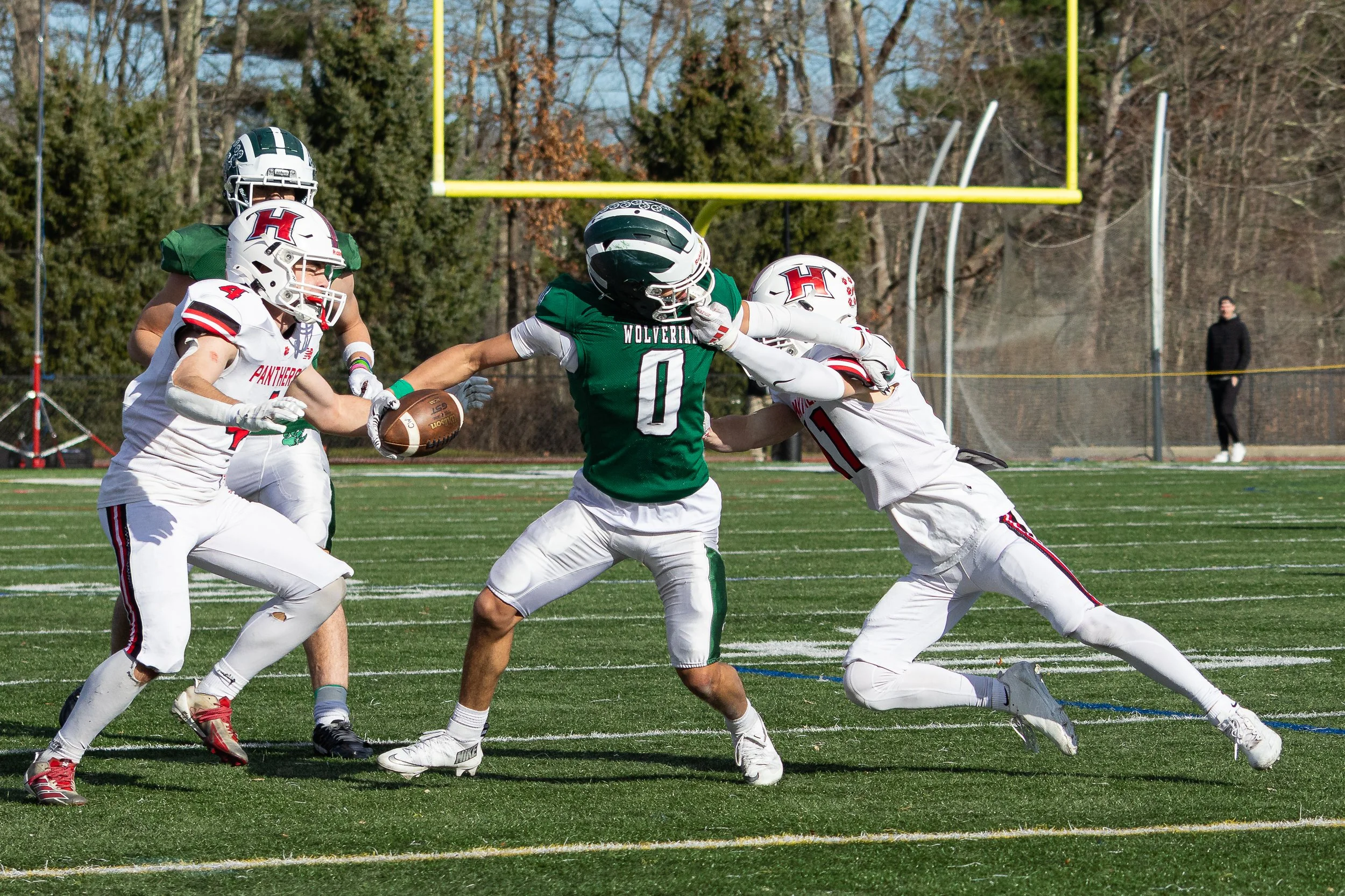
Shooting sports is one of the most entertaining and exciting types of photography, but it is not as easy as it looks.
The first step is setting up your camera settings. These will vary depending on the available light, but the most important factor is a fast shutter speed. I like to use 1/1000 or faster when possible. To achieve this, I set my aperture as low as my lens allows to let in more light, then adjust ISO as needed. In extreme low light, I will drop my shutter to 1/800 or 1/640, but I really try not go lower unless I absolutely need to. If you have a powerful memory card, I recommend shooting in RAW, as it improves the colors in your images. If you are on a starter SD card, use JPEG.
Arriving at the Game
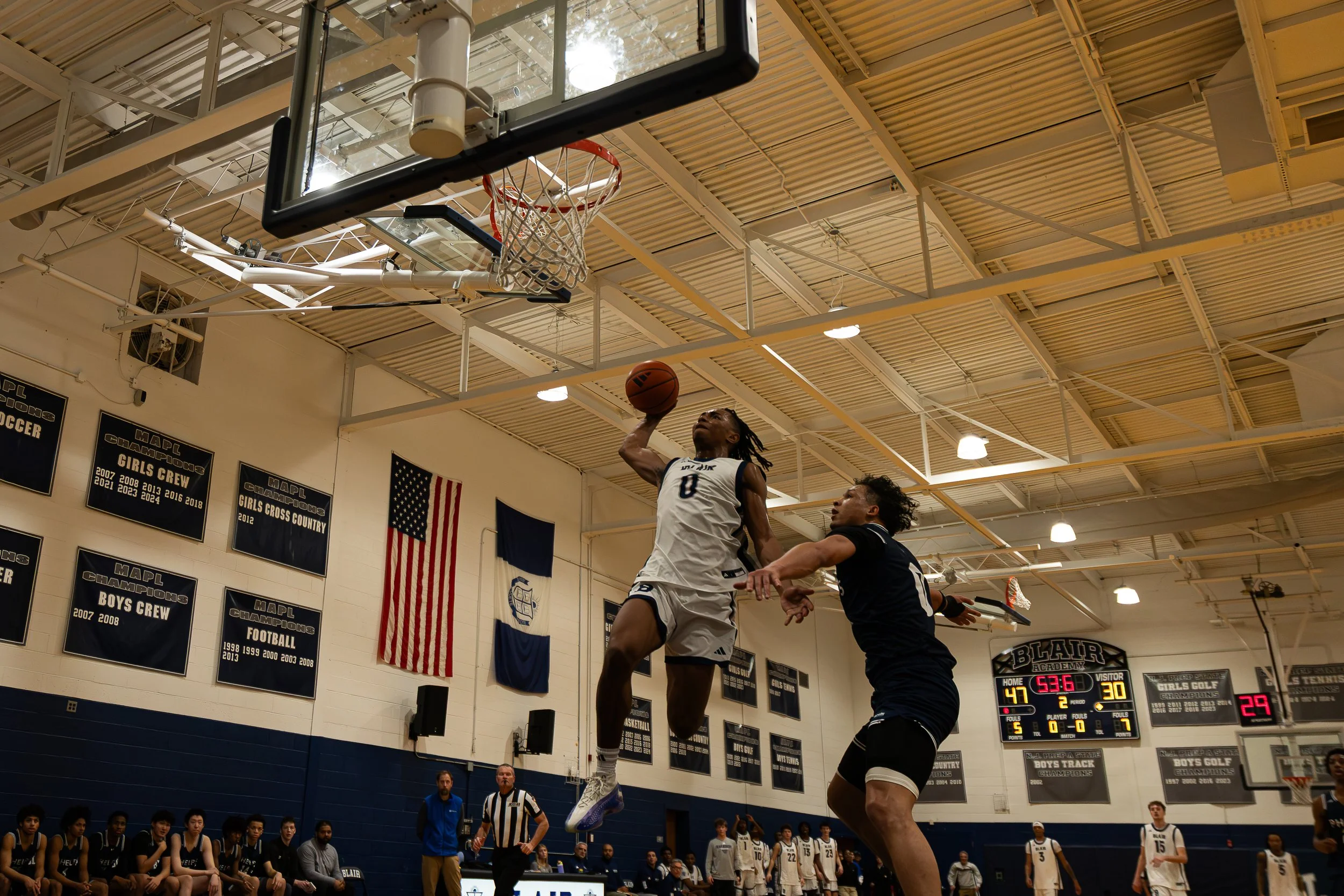
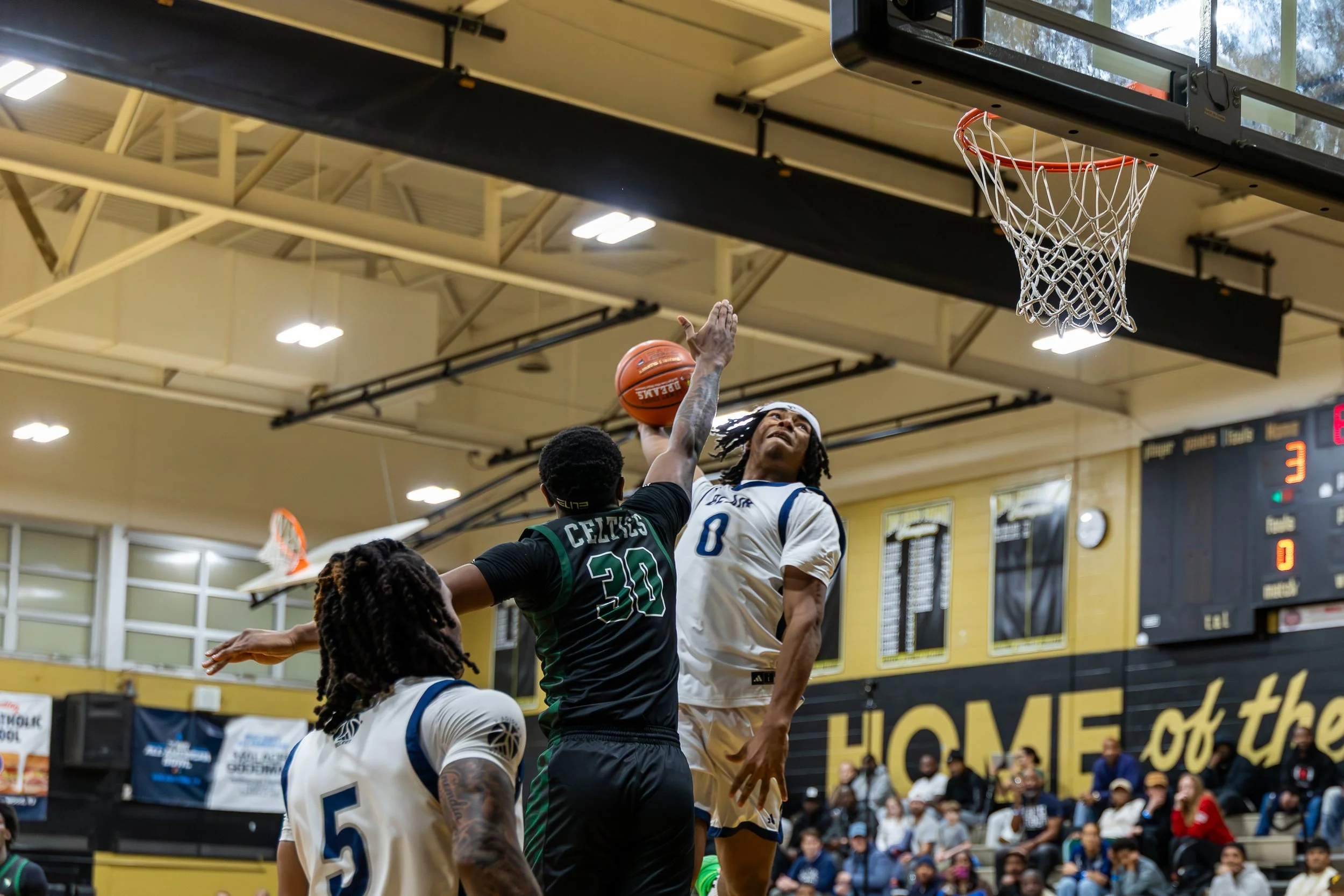
This changes a bit based on what sport you are shooting, but for the most part, you won’t be moving around much. You want to set up on the attacking side for the team you are shooting at, as photos look better when the athletes are moving towards you rather than away from you. For example, when I shoot basketball, I go under the rim and a little to the side, which means the athletes are always running towards me, making for better photos. Another important part of the setup is being low. When you are low to the ground, it makes the athlete look bigger and more powerful, leading to better images.
What to Shoot
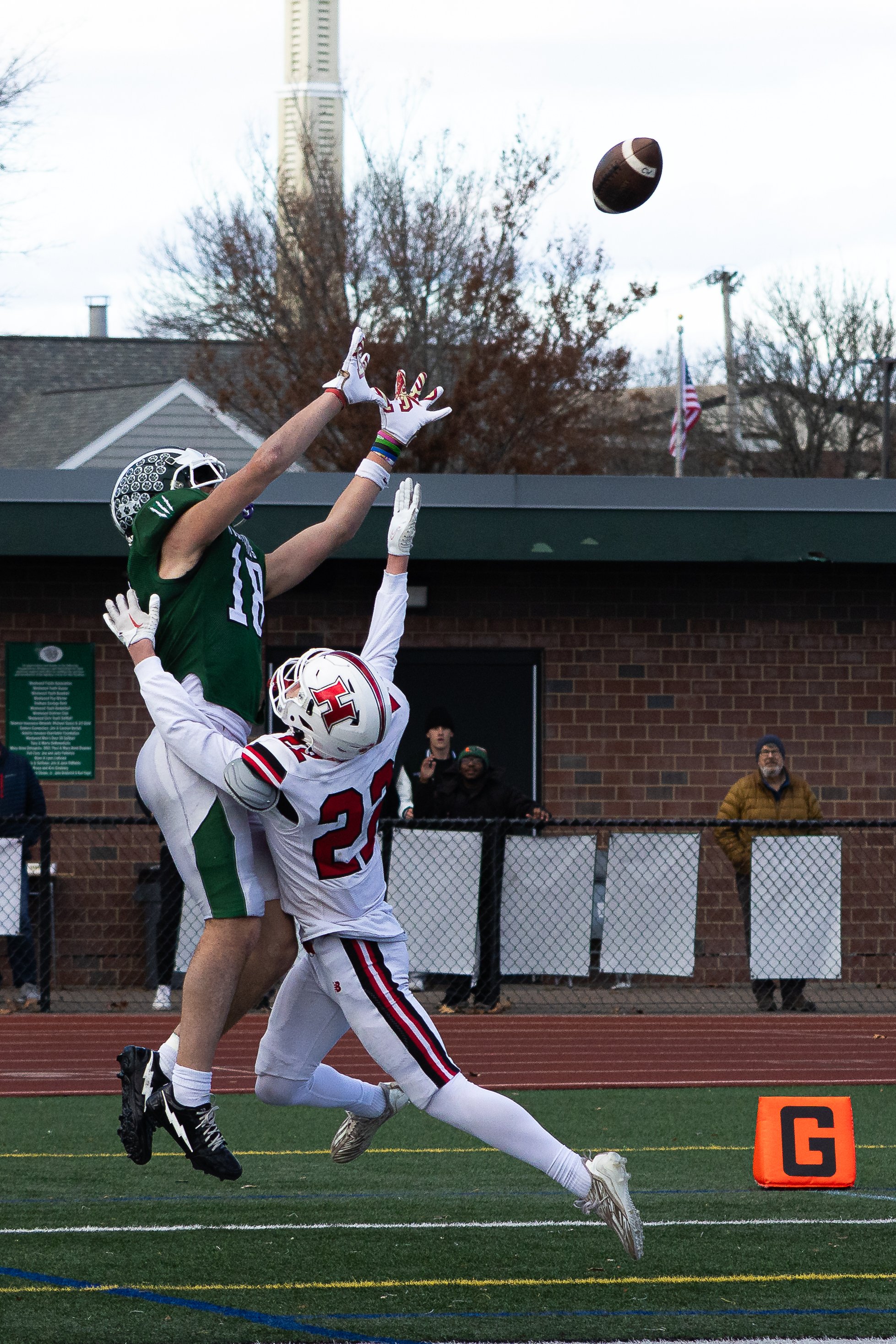
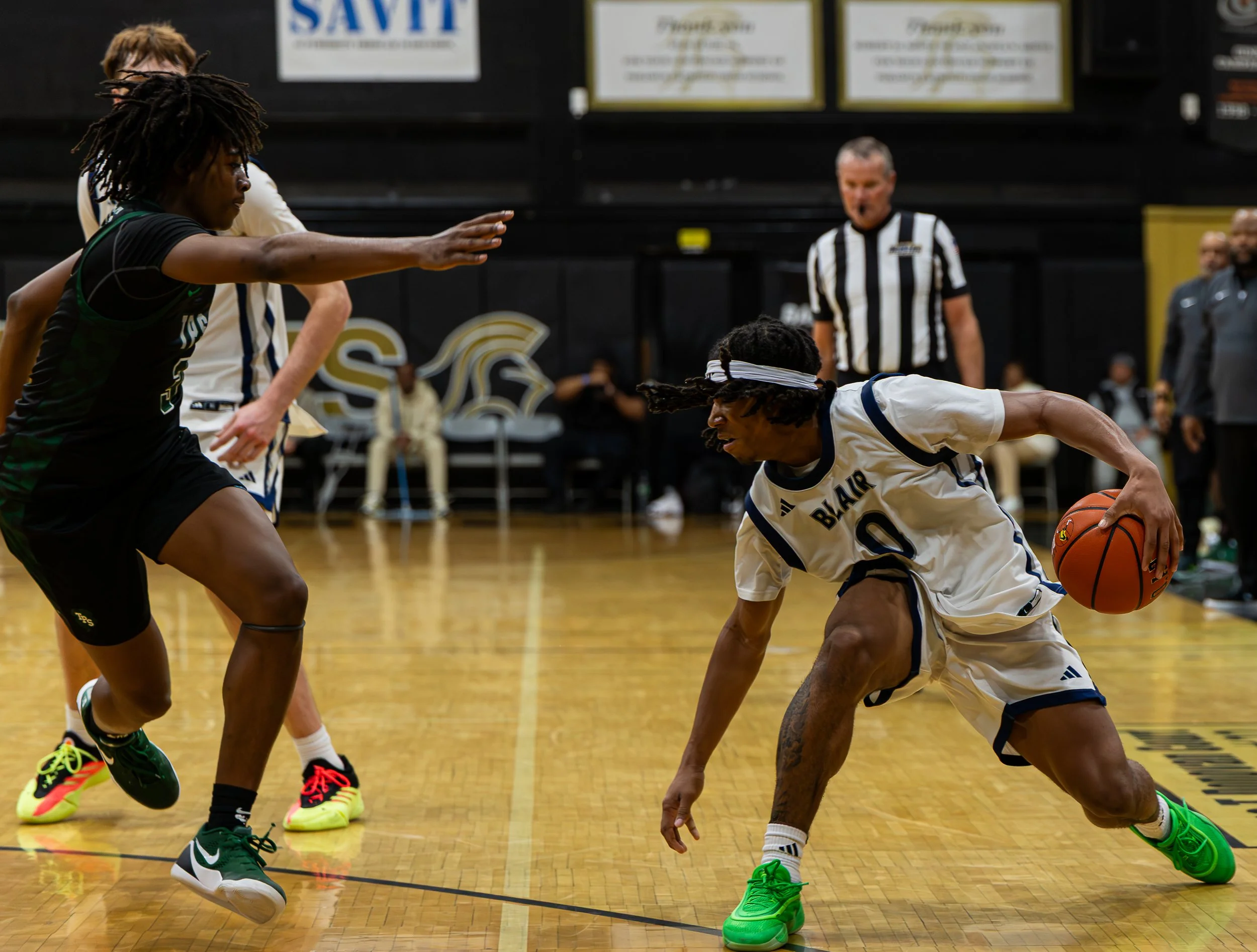
While it may be obvious to some, learning what to actually photograph is a difficult process. The two main things you want to look out for are big high-action moments (dunks, touchdowns, goals, slide tackles, pins, spikes, etc.) or moments with high emotion (right after a big moment, usually, look for players' faces from both teams; sadness is a powerful emotion as well).
Helpful Tips and Tricks
When capturing a moment, it's easy to lose track of the ball / main action. To avoid this, when you want to shoot a portrait or an emotion, open both eyes, looking through the camera with your dominant eye and using your other eye, mainly its periphery, to track the ball.
You can use the flip-out screen on your camera if it has one in order to lower the camera without having to go all the way prone yourself
You can set up something called “back button focus,” which means you go into the custom controls menu on your camera, set the shutter half-press to metering, and set the autofocus button to the back of your camera. This allows you to lock onto what you want to focus on, so you can hold down the shutter without the camera refocusing. This avoids the problem of someone running in front of the athlete you want to capture and your camera trying to refocus on the new person and then back onto the athlete, you would just be locked onto the athlete